Same-Day Flood Response for Marylebone Basement Flats
Posted on 18/06/2026
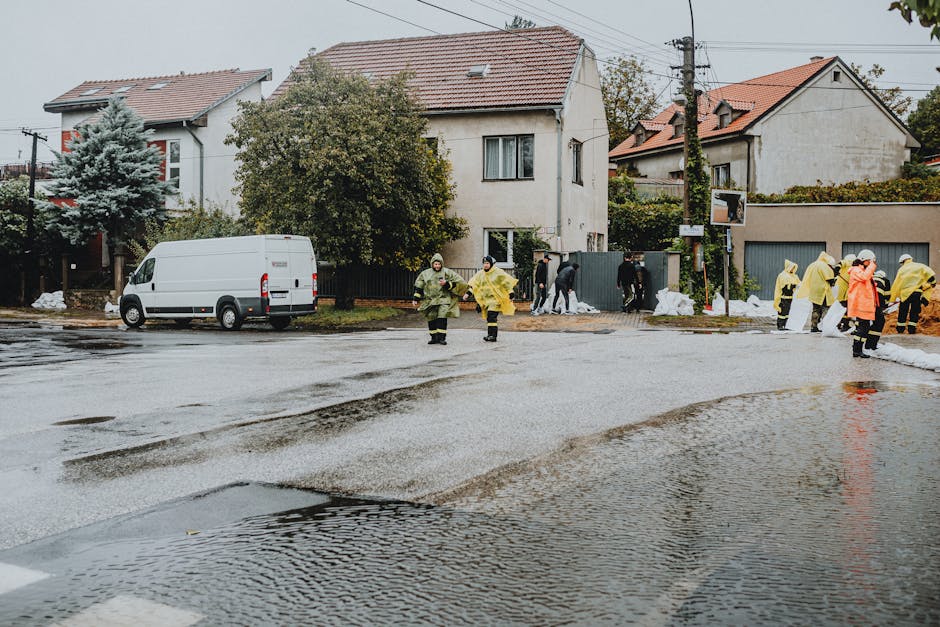
If water is coming into a basement flat, the clock starts immediately. In Marylebone, where many basement homes sit below street level and close to older pipework, even a small leak can turn into a messy, expensive, and frankly exhausting problem within hours. Same-day flood response for Marylebone basement flats is about more than mopping up visible water. It is a rapid, careful process that helps reduce damage, protect belongings, limit mould growth, and get the flat back to a safe, usable condition as quickly as possible.
Truth be told, basement flooding rarely feels dramatic at first. A damp patch near the skirting. A faint smell. Water tracking in under a door after heavy rain. Then, before you know it, the carpet is soaked and the walls feel cold to the touch. This guide walks through what same-day response actually involves, why it matters in basement properties, and how to make calm decisions when everything feels a bit scrambled. You will also find practical steps, a comparison table, a checklist, and answers to the questions people tend to ask in the first panicked hour.
![View of a narrow alleyway in Marylebone, with red brick residential buildings on either side. The buildings feature white-framed sash windows, some with visible windowpanes and small flower pots. A black metal fence borders the alley, which contains black waste bins and a yellow caution marker. The scene is lit with natural daylight, highlighting the clean brickwork and tidy surroundings, emphasizing the urban environment associated with Marylebone's residential areas. No cleaning tools or surfaces are visible in this image, which focuses on the exterior architecture and street scene. Meta references to [COMPANY_NAME] are made in relation to residential and commercial surface cleaning, deep cleaning, and sanitisation services in Marylebone.](/pub/blogphoto/sameday-flood-response-for-marylebone-basement-flats1.jpg)
Why Same-Day Flood Response for Marylebone Basement Flats Matters
Basement flats have a few built-in vulnerabilities. They sit lower than the pavement, they often share walls with neighbouring homes, and they can be affected by surface water, plumbing failures, appliance leaks, or drainage issues. In a place like Marylebone, where homes may combine older structures with modern refurbishments, water does not always behave neatly. It can travel under flooring, behind fitted units, and into hidden voids. That is the part people miss.
Same-day flood response matters because water damage escalates fast. A wet carpet is irritating. Water inside underlay, timber, plasterboard, or insulation is a different story. Within a short time, you can face staining, odour, swelling materials, electrical concerns, and conditions that encourage mould. For a basement flat, there is often less natural airflow too, so drying can take longer unless action is taken promptly.
There is also the practical side. If you rent, you may need to protect the tenancy. If you own, you may need to protect the fabric of the property and avoid follow-on repairs that snowball into bigger bills. If the flood affects a property between tenancies, you might also need to get the flat back to a presentable standard quickly. That is where local knowledge helps. A response that understands Marylebone's housing stock, access constraints, and parking realities tends to be far smoother than a generic one. For broader local context, it can help to read about W1 flat cleaning considerations for compact homes and the practicalities of maintenance work around the Portman Estate.
Expert summary: the faster a basement flood is assessed, extracted, and dried, the less likely it is that you will end up with hidden damage, stubborn smells, and repeat problems a week later. Fast does not mean rushed; it means properly sequenced.
How Same-Day Flood Response for Marylebone Basement Flats Works
A proper same-day response usually follows a short, disciplined sequence. It is not glamorous. There is nothing cinematic about it. But that is what makes it effective.
1. Initial assessment
The first job is to understand where the water came from and how far it has spread. That might be a burst pipe, a washing machine hose, a bath overflow, rainwater ingress, or seepage after a drainage issue. The source matters because a clean water leak is treated differently from contaminated water. You do not want to start drying a problem until the source is controlled.
2. Safety checks
Before any extraction begins, electrical risks should be considered. Water and sockets are a bad combination, obvious as that sounds. In basement flats, low outlets, appliances, and extension leads can be at particular risk. A careful responder will avoid unnecessary movement around wet electrics and will advise you to isolate power where appropriate and safe to do so.
3. Water removal
Once the area is safe, the standing water is removed with extraction equipment, wet vacuums, or pumping methods depending on the size of the incident. For small floods, the visible water may disappear quickly. That can be misleading. Hidden moisture remains in carpet backing, underlay, thresholds, and subfloors unless extracted thoroughly.
4. Moisture mapping
This is the part people rarely think about. Moisture mapping means checking which materials have absorbed water and how far it has travelled. In a basement flat, water can move sideways under flooring or into adjoining walls. Damp meters and close inspection help identify the truly wet zones rather than guessing. Guessing is not great, to put it mildly.
5. Drying and air movement
Drying may involve air movers, dehumidifiers, and controlled ventilation. The aim is to remove moisture from both air and surfaces. In flats with limited windows or poor airflow, this becomes especially important. A same-day response often focuses on getting drying started immediately, even if the whole flat cannot be fully restored that day.
6. Cleaning and sanitising
Depending on the type of flood, affected surfaces may need cleaning and deodorising. Clean water from a pipe leak is very different from wastewater or backed-up drains. Soft furnishings, carpets, and rugs can sometimes be saved, but only if they are handled correctly and promptly. If you want to understand how textile care fits into the bigger picture, the site's carpet cleaning in Marylebone and upholstery cleaning services pages are useful related references.
7. Monitoring and follow-up
Drying does not end when the equipment is switched on. Good flood response includes follow-up checks to confirm the property is drying as expected. Basement flats can dry unevenly, especially in cooler corners or behind fixed furniture. A slightly damp wall today can become a mouldy patch next week if nobody checks it.
Key Benefits and Practical Advantages
There are several clear benefits to same-day intervention, and they are not just about speed for speed's sake.
- Reduced structural damage: timber, plaster, flooring, and joinery are less likely to deteriorate when water is dealt with promptly.
- Lower mould risk: quick drying reduces the damp conditions that mould loves. Basement flats are already at a disadvantage here.
- Better chance of saving belongings: rugs, furniture, books, and stored items often have a better outcome if they are assessed early.
- Less disruption: starting the recovery process the same day can shorten the overall recovery time, even if drying itself continues for a few days.
- Clearer decision-making: you get a factual picture of what has actually been affected instead of relying on guesswork at 10 pm with a towel in your hand.
There is a quieter benefit too: peace of mind. When a skilled team is already at work, the situation feels contained. That matters more than people admit. Flood incidents are stressful, and stress tends to make people either freeze or overreact. A steady same-day response gives the issue a shape.
For landlords, agents, and residents managing local property stock, this can also help protect future lettings and presentation. If the flat is part of a wider buy-to-let or sale plan, local property knowledge such as the guidance in Marylebone property investment advice and Marylebone home-selling guidance is worth keeping in mind. A dry, well-kept basement flat simply stands a better chance of avoiding last-minute complications.
Who This Is For and When It Makes Sense
This kind of response is for anyone dealing with water ingress in a basement or lower-ground flat, but a few groups especially benefit from it.
Tenants need it when a leak or flood makes the flat unsafe or uncomfortable to live in. You may need quick assessment so you can report the issue accurately and protect your belongings.
Landlords need it because delay can multiply costs. A quick response can reduce the length of vacancy and limit the scale of repairs. That is just common sense, really.
Managing agents and estate teams often need same-day help because basement incidents can affect neighbouring homes or shared spaces. Rapid containment becomes a coordination issue as much as a cleaning one.
Homeowners need it when a pipe bursts, a appliance fails, or rainwater gets in during severe weather. The earlier the response, the more likely the flat is to recover without lingering odours or hidden damp.
When does it make sense? Almost always when the water is visible, spreading, or has touched flooring, walls, or contents. It also makes sense if the cause is not yet clear, because a basement flood can be the surface symptom of a larger issue. If you are unsure whether the situation is serious, it usually is enough to justify a same-day look.
Step-by-Step Guidance
If a flood happens in a Marylebone basement flat, a calm sequence helps. Here is the order that generally works best.
- Stop the source if you can do so safely. Turn off the water supply for a plumbing leak, or prevent more water entering from outside where possible. If the situation involves electrics, do not improvise.
- Move people and valuables out of the affected area. Prioritise documents, electronics, textiles, and anything that can stain or swell quickly.
- Take photos before major movement. This is useful for your own records, insurance, and to show the extent of the affected area.
- Ventilate carefully. Open windows if conditions allow, but do not rely on airing alone. In basement flats, air movement is often weak.
- Contact a same-day responder. Explain the source, the affected rooms, and whether there are carpets, wooden floors, or fitted furniture.
- Expect an on-site assessment. A proper visit should identify the source, assess moisture, and decide on extraction and drying.
- Keep foot traffic low. Walking moisture through the flat only spreads the problem. It sounds obvious; people still do it. Humans are funny that way.
- Monitor for changes. Smell, wall temperature, swelling skirting, and new stains all matter.
- Plan the repair stage separately. Drying and repair are related, but they are not the same job. Rushing into cosmetic fixes too early can trap moisture behind surfaces.
A small but useful detail: if you live in a lower-ground Marylebone flat with narrow access, mention that upfront. Stairs, tight corridors, shared entrances, and parking restrictions can affect what equipment can be brought in and how quickly. Local context matters more than people think.
Expert Tips for Better Results
Below are the practical habits that tend to improve outcomes. They come from experience, and they save headaches later.
- Act on smell, not just visible water. A stale or earthy odour is often an early damp clue. Basements can smell wrong before they look wrong.
- Check under furniture and along edges. Water often sits along skirting boards, under sofas, and beneath wardrobes where you would not glance first.
- Do not assume a surface is dry because it feels dry. The top layer can dry quickly while the material underneath stays wet.
- Separate clean items from contaminated ones. If the water came from a drain or toilet, soft furnishings and porous items may need more careful handling.
- Keep a written timeline. A rough note of when the water was discovered, what you did, and when drying started can be surprisingly useful.
- Ask about dehumidifier placement. In small flats, poor placement can waste time. Equipment should be positioned to support airflow, not just sit there humming in the corner like an expensive kettle.
- Think beyond the flood itself. A leak may reveal poor sealant, failed pipe joints, cracked grout, or drainage issues. If you only dry the surface and ignore the cause, the problem can return.
If your flat is also used as a rental between occupancies, broader cleaning and presentation standards matter. The articles on cleaning around busy Baker Street and tourist areas and maintaining high-footfall premises in Marylebone are useful for understanding how local properties stay presentable under pressure.
Common Mistakes to Avoid
When a basement floods, people often make the same handful of mistakes. They are understandable, but they can make recovery more expensive.
- Waiting until morning: overnight water migration can be the difference between a manageable issue and a larger remediation job.
- Using only towels and a fan: fine for a tiny spill, not enough for a real flood.
- Ignoring hidden areas: underlay, voids, behind kickboards, and the underside of fitted furniture can keep moisture trapped.
- Moving furniture too quickly: dragging damp furniture can spread staining and damage finishes.
- Switching on electrics too early: this is a safety issue as well as a repair issue.
- Painting or sealing too soon: cosmetic repairs over damp material often fail. You fix it twice, which is nobody's idea of a good day.
- Not identifying the source: if the leak is still active, drying is only half the job.
A very common one: people open the windows, feel heroic for a bit, and assume the problem is under control. On a dry summer afternoon, maybe that helps a little. On a damp February day in a basement flat? Not so much.
Tools, Resources and Recommendations
You do not need a van full of equipment to understand the basics, but it helps to know what a competent flood response usually involves.
| Tool or method | What it does | Best used for |
|---|---|---|
| Wet vacuum or extraction unit | Removes standing water quickly | Visible water on hard floors or carpets |
| Moisture meter | Checks moisture levels in materials | Finding hidden damp in walls, floors, and joinery |
| Air mover | Pushes air across wet surfaces | Speeding up drying on floors and carpets |
| Dehumidifier | Removes moisture from the air | Basements with poor natural airflow |
| Cleaning and sanitising products | Helps reduce contamination and odour | Water leaks, spillages, and some flood types |
| Protective coverings | Helps isolate unaffected areas | Reducing spread through corridors and shared halls |
For readers who want to understand related service areas and how water-related cleanup often fits into broader property care, the site's services overview, domestic cleaning in Marylebone, and house cleaning support pages are helpful background. They are not flood guides, of course, but they give a clearer picture of the wider maintenance picture in local homes.
If the flood has also affected carpets or soft furnishings, it may be worth checking the service information on carpet cleaning in Marylebone and upholstery cleaning in Marylebone once the initial drying phase is complete. Sometimes items can be restored. Sometimes they cannot. The sensible route is assessment first, optimism second.
Law, Compliance, Standards, or Best Practice
Flood response in a residential flat may touch on safety, tenancy responsibilities, insurance, and sometimes building management obligations. The exact legal position depends on the cause of the flood, the tenancy agreement, and who owns or manages the affected parts of the property. So it is wise to be careful with assumptions.
In practical terms, best practice in the UK usually means:
- prioritising safety around electrics and standing water
- documenting the damage early with photos and notes
- not carrying out permanent repairs until the structure is dry enough
- keeping affected parties informed, especially in shared buildings
- following manufacturer guidance for flooring, furniture, and appliances where relevant
If the water may be contaminated, more caution is needed. That can change what can be cleaned, what must be removed, and how the area should be handled. Also, if a neighbour, landlord, or managing agent is involved, clear communication matters. It sounds obvious, but in the middle of a flood, people often forget who has already been told what.
For trust and service expectations, readers may also want to review the company's insurance and safety information, health and safety policy, terms and conditions, and privacy policy. Those pages help clarify how professional work, customer information, and safety procedures are handled.
Options, Methods, or Comparison Table
Not every flood needs the same response. Here is a simple comparison to help you judge what may be required.
| Scenario | Typical response | Main risk if delayed |
|---|---|---|
| Small clean-water leak | Isolate source, extract water, dry surfaces, monitor moisture | Local staining, carpet damage, trapped damp |
| Heavy rain ingress | Identify entry point, extract water, dry floors and walls, check external sealing | Recurring seepage, mould, hidden wall moisture |
| Appliance leak | Stop appliance, remove standing water, inspect adjacent flooring and cabinets | Swollen chipboard, odours, floor replacement |
| Contaminated water | Contain area, use stricter cleaning and disposal measures, assess salvageability | Health concerns, persistent contamination |
In a basement flat, a small leak can behave like a bigger one because water has nowhere easy to go. That is why same-day response is often the sensible choice even when the visible puddle does not look dramatic. Basements are a bit unfair like that.
If you are comparing broader service support, the site's pricing and quotes page can help you understand how estimates are typically approached for domestic work and specialist tasks. Just remember that flood recovery is usually assessed case by case, because no two incidents are identical.
Case Study or Real-World Example
Here is a realistic scenario based on the kind of incident that turns up in Marylebone basement flats quite often.
A tenant returns after a day out and notices the hallway carpet feels cool and slightly springy underfoot. There is no dramatic flood, just a damp smell near the kitchen and a little staining at the base of one wall. At first, it seems minor. Then they spot water collecting near the plinth under the sink. The source turns out to be a small plumbing failure that has been running slowly for several hours.
The same-day response begins with isolating the water supply and checking the area around the kitchen and hallway. Extraction removes the visible water, but moisture mapping shows the damp has travelled into the underlay and under part of the fitted cabinet. Drying equipment is set up straight away. The following day, the flat still looks fine at a glance, but the moisture readings are not yet normal, so the equipment stays in place. A couple of days later, the area is dry enough for cleaning and minor repairs.
What made the difference here was not luck. It was speed, careful checking, and not assuming that a surface-level dry floor meant the whole issue was resolved. If the tenant had simply wiped the area and gone to bed, the repair bill would almost certainly have been worse. Not always. But quite possibly, yes.
This kind of response is especially useful in lower-ground properties near busy parts of Marylebone, where access, drainage, and the age of fittings can all complicate a simple leak. The local context matters. It just does.
Practical Checklist
Use this checklist if you are dealing with a flood right now or want to be ready for one. Save it somewhere sensible. Maybe not on the wet table, though.
- Identify the water source if it is safe to do so
- Switch off affected electrics where appropriate and safe
- Move rugs, cushions, documents, and electronics out of danger
- Take clear photos before cleanup begins
- Keep people and pets away from wet or potentially contaminated areas
- Open windows only if it helps and conditions allow
- Arrange same-day assessment and extraction
- Ask how moisture will be checked, not just how water will be removed
- Keep the source of the problem under review
- Do not apply permanent repairs until the area is genuinely dry
- Monitor for odour, swelling, or new staining over the next few days
- Store receipts, notes, and photographs for records or insurance
Small, steady actions win here. You do not need to solve the whole thing in the first ten minutes. You need to reduce the damage, keep it safe, and make sure the drying plan is correct.
Conclusion
Same-day flood response for Marylebone basement flats is about protecting a property before water has time to settle into the parts you cannot see. In lower-ground homes, that is especially important because moisture can hide in floors, walls, and furniture long after the surface looks sorted. The best response is quick, calm, and methodical: stop the source, remove water, check hidden damp, dry thoroughly, and avoid rushing repairs.
If you are facing a flood now, the main thing is not to panic or guess. Act early, document what you can, and choose a response that treats the flat as a whole system rather than just a wet patch on the floor. That approach saves time, money, and a lot of stress later on.
Get a free quote today and see how much you can save.
And if all you can manage today is to get the source under control and take the next sensible step, that is enough. Really. One steady decision at a time.
![View of a narrow alleyway in Marylebone, with red brick residential buildings on either side. The buildings feature white-framed sash windows, some with visible windowpanes and small flower pots. A black metal fence borders the alley, which contains black waste bins and a yellow caution marker. The scene is lit with natural daylight, highlighting the clean brickwork and tidy surroundings, emphasizing the urban environment associated with Marylebone's residential areas. No cleaning tools or surfaces are visible in this image, which focuses on the exterior architecture and street scene. Meta references to [COMPANY_NAME] are made in relation to residential and commercial surface cleaning, deep cleaning, and sanitisation services in Marylebone.](/pub/blogphoto/sameday-flood-response-for-marylebone-basement-flats3.jpg)


