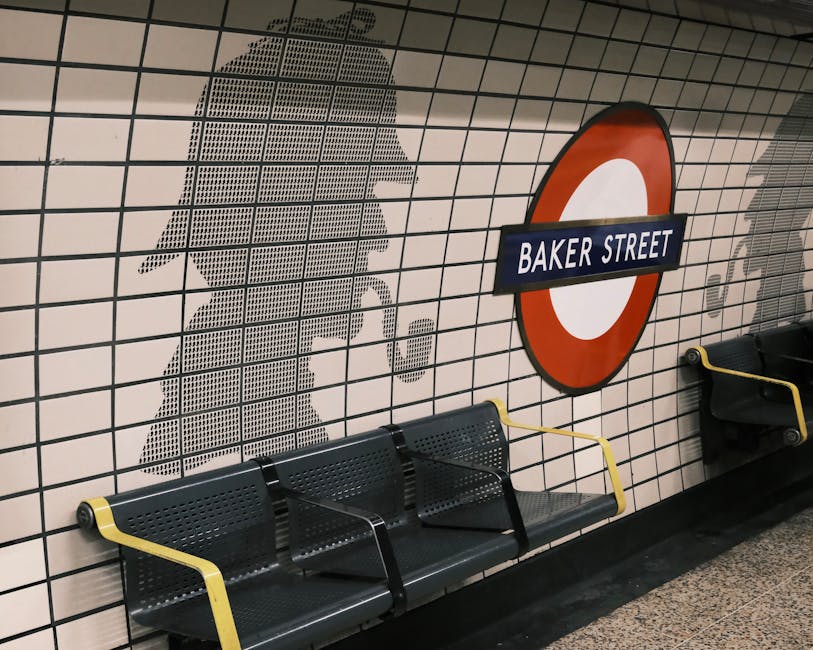
Baker Street & Madame Tussauds: Tourist-Area Cleaning Tips
Posted on 22/05/2026
Baker Street & Madame Tussauds: Tourist-Area Cleaning Tips for Cleaner, Safer Visitor Spaces
Tourist areas look effortless from the outside, don't they? People stroll past, cameras click, coffee cups appear and disappear, and the whole street seems to keep itself tidy. But anyone who has worked around Baker Street and Madame Tussauds knows the truth: high-footfall areas demand constant, thoughtful cleaning. This is where Baker Street & Madame Tussauds: Tourist-Area Cleaning Tips really matters. A clean entrance, fresh-smelling lobby, stain-free carpet, and quick response to litter or spillages can shape how visitors feel within seconds.
In this guide, we'll break down how cleaning works in a busy visitor district, what to prioritise, which mistakes to avoid, and how to build a routine that keeps standards high without wasting time or money. Whether you manage a shopfront, office, short-stay property, reception area, or visitor-facing venue, you'll find practical steps that actually help in real life. To put it plainly: busy tourist streets need a different approach from quiet residential roads.
Along the way, we'll also point you towards useful local resources such as our cleaning services overview, carpet cleaning in Marylebone, and office cleaning support for spaces that need consistent upkeep. If you're already familiar with the Marylebone area, you may also enjoy this local guide to Marylebone's streets, which gives a bit of context for how lively the neighbourhood can be.

Why Baker Street & Madame Tussauds: Tourist-Area Cleaning Tips Matters
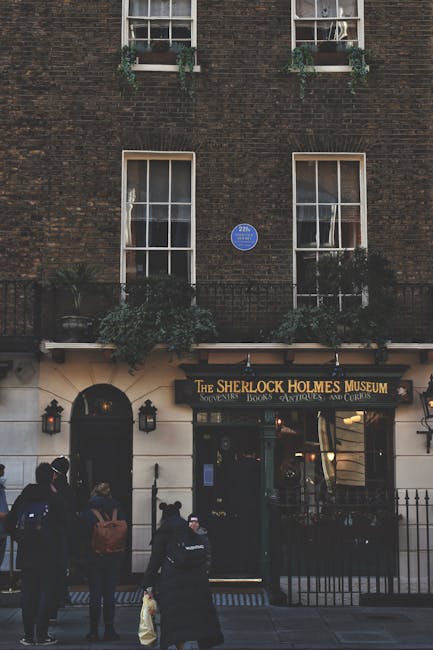
Baker Street and the streets around Madame Tussauds sit in a part of London where the pace is quick, the footfall is constant, and first impressions travel fast. A single dirty window, a sticky lobby floor, or a missed bin outside a frontage can change how a visitor reads the whole area. That might sound dramatic, but it really isn't. In tourist zones, cleanliness affects comfort, reputation, safety, and sometimes even how long someone stays in the area.
These locations attract a mix of day-trippers, hotel guests, families, commuters, office workers, and delivery traffic. That creates a messy blend of issues: wet umbrellas in winter, dust from heavy pavement use, food packaging, fingerprints on glass, and the occasional mystery mark you don't want to think too hard about. Cleaning here is not just about looking neat. It is about keeping the space functional under pressure.
There's also a local brand factor. Marylebone has a polished feel, but it still needs regular care to stay that way. For property owners and managers, that means cleaning is part of visitor experience, not just maintenance. It also ties into broader local value, which is why pages like local views on living in Marylebone and Marylebone party venue ideas matter more than they first appear. Busy neighbourhoods are made up of spaces that all affect each other.
Expert summary: In a tourist-heavy district, good cleaning is less about "deep clean once in a while" and more about steady, visible, high-touch maintenance. The goal is to stay ahead of the mess, not chase it all day.
How Baker Street & Madame Tussauds: Tourist-Area Cleaning Tips Works
Cleaning in a tourist area works best when it is built around patterns, not panic. You learn when the crowds build, where litter gathers, what gets touched most, and which surfaces show marks first. Once you know those patterns, you can build a plan that focuses effort where it matters most.
For example, a small reception space near a visitor attraction will often need repeated touch-point cleaning: handles, counters, card machines, lift buttons, and glass. A nearby office or serviced apartment may need more attention on floors, soft furnishings, and washrooms. A shopfront may need a stronger window and entrance routine. The cleaning method changes with the space, but the principle stays the same: clean the parts people notice, then clean the parts that keep the site healthy and safe.
In practice, a good tourist-area cleaning routine usually includes:
- early-morning external tidy-ups before visitors arrive
- midday spot checks for washrooms, floors, and bins
- evening reset cleans after peak footfall
- regular deep cleaning for carpets, upholstery, and high-use surfaces
- clear escalation for spillages, breakages, and hygiene issues
That may sound obvious, but the point is consistency. The best cleaners in busy areas are often the ones who notice the little things early. A smudge on a mirror, a dull patch in a carpet, a bin that's filling too quickly - these small signs tell you what to fix before it becomes an obvious problem. Truth be told, that's the difference between a place that feels cared for and one that merely survives the day.
Key Benefits and Practical Advantages
A strong cleaning routine around Baker Street and Madame Tussauds brings more than visual tidiness. It supports customer confidence, reduces avoidable complaints, and helps a space feel calm even when the street outside is busy and noisy.
Here are the main benefits, in plain English:
- Better first impressions: visitors notice glass, floors, bins, and odour within moments.
- Improved hygiene: frequent touch-point cleaning reduces grime build-up and helps maintain sanitary conditions.
- Fewer slip and trip risks: clean, dry floors and fast spill response lower the chance of accidents.
- Longer-lasting interiors: carpets, upholstery, and finishes last longer when dirt is removed regularly.
- Smoother operations: a defined cleaning plan reduces last-minute scrambles and staff stress.
- Stronger brand perception: tidy surroundings signal professionalism, care, and reliability.
There's also a commercial angle. For venues and property managers, cleaning can support occupancy, reviews, and repeat visits. If you manage a visitor-facing office or reception, tailored office cleaning can help keep everyday standards high without distracting your team. If your space includes carpeted areas, specialist carpet care can make a surprisingly big difference to how fresh the whole place feels.
And let's face it, nobody wants to step through a busy London entrance and immediately notice muddy footprints. It's not glamorous work, but it is very visible work.
Who This Is For and When It Makes Sense
This topic is relevant to anyone responsible for a space near one of London's busiest visitor corridors. That includes building managers, landlords, office administrators, shop owners, hospitality operators, letting agents, venue teams, and private residents who want their property to hold up well under heavy daily use.
It especially makes sense if your site experiences any of the following:
- high daily footfall from tourists or passers-by
- frequent wet-weather dirt being tracked indoors
- guest-facing entrances or reception points
- public washrooms or shared facilities
- food traffic, packaging waste, or quick-turnover usage
- regular deliveries and service access
It also matters if you are preparing a property for viewings, a short-let turnover, or a move-out clean. For those situations, end of tenancy cleaning in Marylebone is often the cleanest route to a better result. If you are living locally and trying to keep the day-to-day under control, domestic cleaning support or house cleaning services can take the pressure off when life gets a bit much.
A small but real observation: the more mixed the use of a space, the more cleaning becomes about judgment. A hotel-style lobby needs a different rhythm from a family home near a tourist route, and a shopfront needs something different again. There's no one-size-fits-all answer.
Step-by-Step Guidance
If you want a practical routine that holds up in a tourist-heavy area, start with a simple system. You do not need to overcomplicate it. In fact, overcomplicating it usually makes it harder to maintain.
1. Map the busiest touch points
Walk through the space as if you were a visitor. Where do people put their hands? Which areas catch dirt first? Where do bags, prams, umbrellas, or takeaway cups tend to land? In an area like Baker Street, the obvious zones are entrances, mats, glass panels, counters, lift controls, and washrooms.
2. Set cleaning frequency by area
Not every surface needs the same attention. A floor near a front door may need several touch-ups a day, while a meeting room may only need one proper clean after use. That balance saves time and keeps standards sensible.
3. Use a top-to-bottom sequence
Cleaning should usually begin with dusting and higher surfaces, then move down to touch points, fixtures, and floors. This stops you from dropping debris onto already-clean areas. It sounds basic, and it is, but basic done well is a powerful thing.
4. Treat spillages and stains immediately
In tourist zones, a stain left for an hour can become a stain that stays all week. Coffee, food, rainwater mixed with street grit, and cosmetics from frequent visitors all leave different marks. Fast action matters more than fancy products.
5. Refresh the spaces people actually see
Don't get trapped polishing hidden corners while the entrance looks tired. The visitor experience is shaped by visible details: glass, floors, reception, bins, mirror edges, and washrooms. That's where effort pays off first.
6. Review and adjust weekly
Footfall changes. School holidays, weekends, special events, and weather all alter the cleaning load. A routine that works in February may fall apart in July. Keep a simple weekly review so the schedule grows with the space rather than against it.
For teams that manage several properties, it can help to align cleaning with wider operational planning. Our services overview and pricing and quotes page are useful starting points if you are comparing service levels or trying to work out what kind of support makes sense.
Expert Tips for Better Results
A few small habits can dramatically improve results in a busy visitor area. These are the details that experienced cleaners tend to rely on, even if they don't talk about them much.
- Use entrance mats properly. A good mat system traps grit before it spreads across the building. But only if it is cleaned and replaced often enough.
- Keep a microfiber system for touch points. Separate cloths for glass, washrooms, and general surfaces help avoid cross-contamination.
- Spot-clean before deep cleaning. Small daily interventions reduce the need for heavy recovery work later.
- Carry a clear waste routine. Overflowing bins send the wrong message fast. In tourist areas, waste needs almost embarrassing levels of attention.
- Don't ignore odour. A room can look clean and still feel wrong if the air is stale. Ventilation and deodorising matter, especially in compact spaces.
- Use signage during wet-floor cleaning. Simple, visible warnings reduce risk and show responsibility.
One thing that often gets missed: soft furnishings. Curtains, cushions, sofas, and lobby seating absorb smells, dust, and everyday wear. If your space has upholstery in public-facing areas, upholstery cleaning in Marylebone can be a smart upgrade rather than a luxury. You notice the difference the moment you sit down.
Also, keep a little flexibility in the schedule. A rainy Tuesday near Madame Tussauds is a different beast from a dry weekday morning. Cleaning plans should bend a bit. That is normal.
Common Mistakes to Avoid
It's surprisingly easy to clean hard and still miss the point. Tourist-area cleaning fails most often because people focus on the wrong things, or they wait too long between tasks.
- Cleaning only when the mess is visible: by then, the damage to appearance is already done.
- Using one routine for every area: entrances, washrooms, carpets, and office zones need different treatment.
- Ignoring high-touch items: handles, buttons, rails, and payment points collect grime quickly.
- Over-wetting carpets or fabrics: this can leave lingering dampness, odour, or marks.
- Forgetting the outside: a tidy interior means less if the frontage, step, or threshold looks neglected.
- Poor communication between staff: if one person spots a spill but no one owns it, the problem grows.
Another common issue is not planning for peaks. In places like Baker Street, mornings, lunch hours, and evening spillover can all create different patterns of use. If you only clean once at a quiet time, you may be leaving the busiest window exposed. It happens more often than people think.
If cleaning is part of a wider tenancy handover or managed-property process, you may also want to review Marylebone home-selling guidance and local property investment tips because presentation standards often overlap. A well-kept space tends to make all the other conversations easier.
Tools, Resources and Recommendations
You do not need a mountain of equipment to keep a tourist-area property in good shape, but you do need the right kit and a sensible replenishment plan. Cheap tools that wear out quickly usually cost more in the end. A very London problem, really.
| Cleaning Need | Useful Tool or Product | Why It Helps |
|---|---|---|
| Entrance dirt and grit | Heavy-duty mats, lobby vacuum, stiff dust pan | Stops debris being walked deeper into the property |
| Glass and fingerprints | Microfibre cloths, streak-free glass cleaner | Improves visibility and makes the frontage look cared for |
| Washrooms | Disinfectant, disposable wipes, refillable hand soap | Maintains hygiene and improves user confidence |
| Carpets and soft flooring | Vacuum with strong filtration, spot cleaner | Reduces embedded dust and helps manage stains early |
| Upholstery and seating | Fabric-safe cleaner, extraction service when needed | Helps manage odour and wear in visitor-facing furniture |
For businesses and landlords comparing options, our about us page explains the wider service approach, while insurance and safety information is useful if you want reassurance around working practices. If you need to understand how requests are handled, the complaints procedure and terms and conditions are worth a look too.
And if you are planning a one-off event nearby, a surprisingly clean venue can make a big difference to the mood. A little pre-event polish, followed by quick post-event reset cleaning, prevents the "we'll sort it tomorrow" spiral. We've all seen that spiral. It's not pretty.
Law, Compliance, Standards, or Best Practice
Cleaning in a tourist area is not only about appearance. There are wider health, safety, and duty-of-care considerations too. While the exact obligations depend on the property type and use, a sensible cleaning plan should align with normal UK workplace and premises safety expectations.
At a practical level, that usually means:
- keeping floors as dry and safe as possible
- using products according to manufacturer instructions
- storing cleaning chemicals securely
- training staff on spill response and basic safety procedures
- making sure cleaning does not block exits or create hazards
- following any site-specific policies or access rules
For reference, it is sensible to review the provider's health and safety policy before booking work for a busy or sensitive site. If accessibility matters - and in tourist areas it usually does - a clear accessibility statement can also help set expectations around service design and site access.
Best practice is often about evidence and consistency. Keep records of what was cleaned, when, and by whom. That helps if there is a complaint, an audit, or just a nagging question about why a particular area keeps becoming dirty. Nothing fancy. Just enough to know what's happening.
Options, Methods, or Comparison Table
Different cleaning methods suit different parts of a tourist-heavy site. Here's a simple comparison to help you choose the right approach.
| Method | Best For | Strengths | Limitations |
|---|---|---|---|
| Daily light cleaning | Entrances, counters, washrooms, visible surfaces | Keeps standards presentable day to day | Won't solve deep dirt or embedded grime |
| Scheduled deep cleaning | Carpets, upholstery, harder-to-reach areas | Removes built-up soil and refreshes the space | Needs planning and downtime |
| Reactive spot cleaning | Spills, marks, emergency clean-ups | Fast response prevents bigger problems | Can become a crutch if overused |
| Professional scheduled service | Busy businesses, landlords, managed properties | Reliable standards and better accountability | Needs clear scope and budget |
For many Marylebone properties, the best solution is a combination: daily attention for visible areas, plus periodic specialist work for floors and fabrics. If you're weighing up a regular service, pricing and quotes can help you compare options more realistically than a guess from the back of an envelope.
Case Study or Real-World Example
Imagine a small visitor-facing office just off Baker Street. It doesn't serve the public in the full retail sense, but it gets plenty of guests, couriers, and staff traffic. On Monday morning, the entrance mat is already holding grit from wet shoes. By lunchtime, the glass door has fingerprints around the handle. Later in the day, a coffee cup tips near the waiting area and leaves a ring on the carpet.
If the team waits until Friday to deal with everything, the space starts feeling tired. Guests notice it, even if they do not say so. The reception desk still works, the lights still work, but the room no longer feels effortless. So the manager changes the routine: a quick early-morning entrance check, a midday touch-point clean, and a Friday deeper clean for carpet and upholstery. After that, the space looks fresher and stays calmer.
That is the real lesson. You do not need heroic cleaning. You need the right rhythm.
A similar approach works for short-let properties, waiting rooms, and small venues near tourist landmarks. In the area around Baker Street and Madame Tussauds, the surface story matters because people pass through quickly. A tidy space helps them settle, even if they're only there for ten minutes.
Practical Checklist
Use this checklist to keep things on track. It is simple on purpose.
- Check entrances first: mats, floors, glass, and visible dirt
- Empty bins before they overflow
- Clean high-touch points: handles, rails, counters, switches, buttons
- Inspect washrooms at regular intervals
- Spot-treat spills as soon as they happen
- Vacuum or mop floors on a set schedule
- Refresh carpets and upholstery before stains settle in
- Ventilate rooms where possible to reduce stale odour
- Record issues that need follow-up
- Review the plan weekly and adjust for busy periods
If you are managing a property for the long term, it can help to pair routine cleaning with broader local knowledge. Our article on what it's like to live in Marylebone gives a useful feel for the area's day-to-day rhythm, while exploring Marylebone's streets adds some helpful local context. Sometimes the neighbourhood itself tells you what kind of standard people expect. And it's usually quite high.
Get a free quote today and see how much you can save.
Conclusion
Baker Street and the Madame Tussauds area reward cleanliness that feels calm, steady, and considered. Not flashy. Not overdone. Just consistently good. That means planning around footfall, protecting visible surfaces, dealing with dirt early, and choosing methods that suit the real conditions of a tourist-heavy street.
If you remember one thing, make it this: in a visitor area, cleaning is part of the experience. It shapes how people feel when they arrive, how long they stay, and whether the space feels cared for or merely managed. That small difference matters more than most people expect.
With the right routine and a bit of local awareness, you can keep standards strong without making daily operations harder than they need to be. And honestly, that's the sweet spot.
When the street is busy and the day is moving fast, a well-kept space gives everyone a little breathing room. That counts for a lot.