Removing Cigarette Odour in Marylebone Pubs and Flats: A Practical Guide for Fresher Spaces
If you have ever walked into a Marylebone flat on a damp evening and caught that stale, smoky smell before you even set your bag down, you already know the problem. Cigarette odour hangs around. It settles into carpets, curtains, cushions, painted walls, and even soft furnishings that look perfectly clean at first glance. In pubs, it can affect atmosphere and customer comfort. In flats, it can make a home feel tired, unwelcoming, or harder to let and sell.
This guide to Removing Cigarette Odour in Marylebone Pubs and Flats breaks down what actually works, what usually wastes time, and how to approach the job properly. Whether you are preparing a rental, refreshing a lived-in home, or dealing with a venue that needs to smell clean again by tomorrow, the goal is the same: remove the source, not just mask it.
Marylebone has a mix of period buildings, compact apartments, busy hospitality spaces, and well-kept townhouses. That mix matters. Odour can linger in older materials, and in tighter spaces it tends to circulate rather than disappear. So let's get into the practical side.
Table of Contents
- Why Removing Cigarette Odour in Marylebone Pubs and Flats Matters
- How Removing Cigarette Odour in Marylebone Pubs and Flats Works
- Key Benefits and Practical Advantages
- Who This Is For and When It Makes Sense
- Step-by-Step Guidance
- Expert Tips for Better Results
- Common Mistakes to Avoid
- Tools, Resources and Recommendations
- Law, Compliance, Standards, or Best Practice
- Options, Methods, or Comparison Table
- Case Study or Real-World Example
- Practical Checklist
- Conclusion
- Frequently Asked Questions
Why Removing Cigarette Odour in Marylebone Pubs and Flats Matters
Cigarette odour is not just a smell issue. It changes how people experience a room. In a flat, it can make the space feel less hygienic, less fresh, and frankly a bit neglected, even if the rest of the property is spotless. In a pub, lingering smoke smell can fight against the atmosphere you are trying to create. Some places want a warm, characterful feel, sure, but stale smoke is not the same thing as ambience.
For landlords and agents, odour can become a real part of the property's presentation. People notice it immediately during viewings, and they may assume there are deeper cleanliness problems. That can affect rentability, saleability, and the overall impression of care. If you are thinking about a wider refresh, it may help to read about end of tenancy cleaning in Marylebone as smoke removal often sits right alongside move-out preparation.
For pubs and hospitality spaces, odour affects customer comfort more directly. It can cling to upholstered chairs, banquettes, curtains, and even staff uniforms. When a venue has a long day of footfall, food aromas, and occasional smoking near entrances, the smell can layer up in a way that feels heavier each week. You can clean the visible surfaces and still miss the issue if the odour source is in fabric, grout, or ventilation.
There is also a simple human side to this. Nobody wants a guest to wrinkle their nose at the door. That tiny moment changes their whole perception. It really does.
How Removing Cigarette Odour in Marylebone Pubs and Flats Works
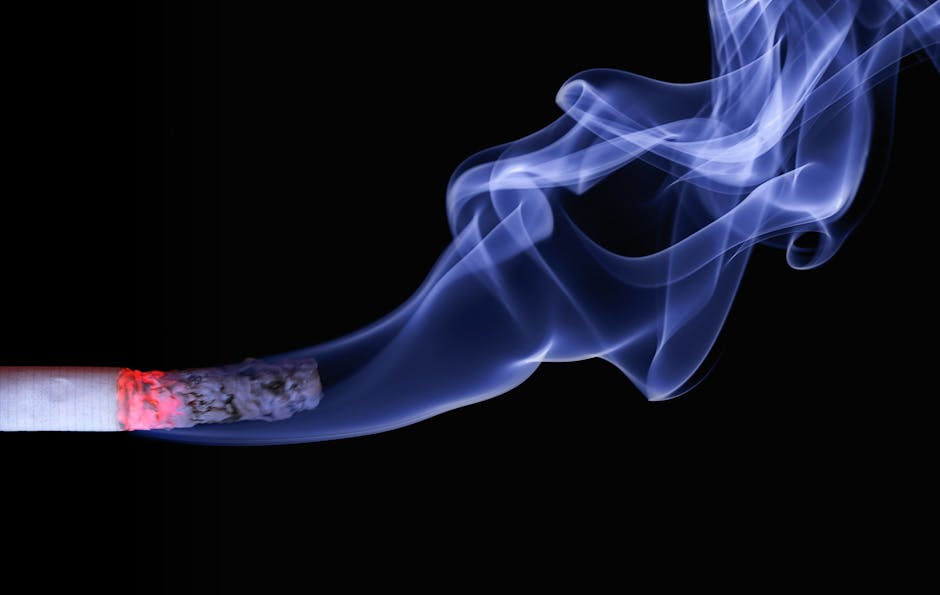
To remove cigarette smell properly, you need to understand what causes it. Tobacco smoke leaves behind tiny particles and sticky residue, often called tar build-up in everyday language. These particles attach themselves to porous materials. That is why the smell survives long after the cigarettes are gone. Air fresheners can make the room smell sweeter for a while, but they do not remove what is embedded in the surfaces.
The process usually works in stages:
- Identify the source areas. This usually includes carpets, fabric sofas, soft chairs, curtains, mattresses, wall paint, skirting boards, and hidden corners around radiators or behind furniture.
- Remove loose ash and residue. This sounds basic, but it matters. Dust and residue carry odour, so proper vacuuming and surface cleaning are essential.
- Treat porous materials. Carpet fibres, upholstery, and sometimes painted plaster can hold odour deep inside them. These need a targeted cleaning method rather than a quick wipe.
- Deal with air pathways. Ventilation, extractor fans, and ducts can circulate the smell, especially in pubs and compact flats.
- Neutralise the remaining odour. This is where specialist treatments may come in, depending on the severity.
In practice, the better the source removal, the less you need to rely on deodorising products. That's the whole point. Masking the smell is easy. Eliminating it properly takes more work, but the result lasts.
In many Marylebone properties, there is a mix of older surfaces and newer fittings. That can make the job a bit fiddly. A Victorian-style flat with heavy curtains and textured walls behaves very differently from a newer rental with wipeable paint and fewer soft furnishings. Same smell, different challenge.
What cigarette odour tends to cling to most
- Carpets and underlay
- Upholstered sofas and dining chairs
- Curtains and blinds
- Mattresses and headboards
- Textured or matte-painted walls
- Cabinet interiors and wardrobes
- Ceilings near extraction points or smoking windows
If you are dealing with soft furnishings as part of the problem, upholstery cleaning in Marylebone is often one of the most useful interventions. People sometimes leave that until last. To be fair, that is a mistake.
Key Benefits and Practical Advantages
When cigarette odour is removed properly, the benefits show up quickly. Some are obvious, others are more strategic.
- Better first impressions. This matters in viewings, bookings, and customer visits.
- Cleaner-feeling interiors. Fresh smell is strongly associated with cleanliness, even before anyone inspects a surface.
- Longer life for furnishings. Smoke residue can make textiles look dull and tired over time.
- More comfortable environment. Staff, guests, and residents all notice the difference.
- Improved property presentation. Especially helpful for landlords, sellers, and hospitality operators.
- Reduced need for constant masking products. Which is good, because too many sprays can create a weird layered scent. Nobody wants "lavender over cigarettes over bleach".
There is a commercial angle too. For flats, a fresher smell can support a smoother handover, rental listing, or sale preparation. If you are preparing to market a property, the broader presentation matters just as much as the odour issue, which is why some readers also look at guide to selling Marylebone homes and Marylebone tips for real estate investment when planning improvements.
In pubs and venues, the advantage is operational. Clean air feels more inviting, and customers usually stay longer when the environment feels looked after. That's not magic, just common sense.
Who This Is For and When It Makes Sense
This kind of cleaning is useful for a surprisingly wide group of people. If any of the following sounds familiar, the timing may be right.
- Landlords dealing with a smoker's tenancy or preparing a new let
- Tenants moving out and trying to leave the flat in decent condition
- Homeowners who have inherited, purchased, or renovated a property with old smoke odour
- Pub owners and managers wanting to refresh a customer area, staff room, or back-of-house space
- Estate agents handling viewings where odour could put buyers off
- Property developers and refurbishment teams working on pre-sale presentation
- Cleaning managers responsible for a larger schedule of domestic or commercial jobs
It is especially sensible when the smell still remains after normal cleaning, or when people say, "I can't quite put my finger on it, but the place doesn't smell fresh." That vague comment is usually the clue. If two different visitors notice it within the first minute, then yes, it is there.
For those juggling multiple property tasks, domestic cleaning in Marylebone and house cleaning in Marylebone can sit alongside odour treatment as part of a proper reset.
Step-by-Step Guidance
Here is a practical order of operations that works well in most flats and pub interiors. It is not glamorous, but it is effective.
1. Start with ventilation
Open windows where safe and practical. Run extractor fans. Let fresh air move through the space before cleaning begins. In London weather, you may not want the windows open all day, fair enough, but even a short cross-breeze can help shift stagnant air.
2. Clear soft furnishings and loose items
Remove cushions, throws, table linens, and any portable fabrics that may be holding odour. In pubs, this may mean separating washable textiles from fixed upholstery. In flats, it might just be a sofa full of cushions that have absorbed years of smoke during winter evenings.
3. Vacuum thoroughly
Use a machine with strong suction and, ideally, a good filter. Go slowly. Cover carpets, edges, skirting lines, under furniture, and along baseboards. If the property has a carpet that still smells after a standard vacuum, carpet cleaning in Marylebone is often the next logical step.
4. Clean hard surfaces with care
Walls, shelves, doors, frames, and counters may hold a film of smoke residue. Use appropriate cleaning solutions for the surface type. Paint finishes vary, so don't go in aggressively with a harsh product unless you want patchy walls and a headache.
5. Treat upholstery and fabric
Upholstery needs targeted treatment because smoke settles deep inside fibres. Depending on the fabric and level of odour, this may mean steam, extraction, deodorising treatment, or a specialist fabric-safe approach. One size does not fit all here.
6. Check hidden areas
Look behind radiators, under sofas, inside cupboards, around plug sockets, and at ceiling corners. Smoke is sneaky. It goes where the eye doesn't.
7. Refresh the air pathway
Clean extractor fan covers, dust vents, and clear anything that may be restricting airflow. In pubs especially, this can make a noticeable difference because old air just hangs around if there is poor circulation.
8. Reassess after drying
Smells can seem different once everything dries. What feels improved during cleaning may still need a second pass after the room settles. This is one of those moments where rushing to declare victory too early can backfire a bit.
9. Repeat targeted treatment where needed
Severe smoke damage usually needs more than one session. That is normal. The goal is lasting freshness, not a temporary cover-up.
Expert Tips for Better Results
Here are the small things that often make the biggest difference.
- Clean the soft items first. Fabrics hold smell more stubbornly than hard surfaces do.
- Do not overuse fragrance sprays. They can sit on top of the problem and make the room feel heavy.
- Work top to bottom. Smoke residue on high ledges and walls can fall onto cleaned areas if you reverse the order.
- Use neutralising methods, not just masking. That is the whole game.
- Check inside curtains and behind furniture. Those overlooked areas are often the culprits.
- Coordinate with routine cleaning. If a flat or pub needs a broader reset, pair odour treatment with a full service such as office cleaning in Marylebone for hospitality admin areas or the full services overview to see how different cleaning tasks fit together.
A small real-world observation: a flat can smell fine for the first few minutes, especially with windows open, and then the stale note comes back once the air settles. That usually means the source is still in the fibres or paint. Not ideal, but solvable.
If you are preparing a property for guests, buyers, or new tenants, timing matters. Clean early enough to allow drying and ventilation, but not so early that the smell has time to creep back in before handover.
Common Mistakes to Avoid
Most failed smoke-odour jobs go wrong for predictable reasons. Here are the big ones.
- Using perfume to hide the smell. This rarely works for long, and sometimes makes it worse.
- Ignoring fabrics. If the sofa, curtains, or carpet are still holding odour, the room will still smell.
- Cleaning only visible areas. Hidden residue in corners and behind furniture can keep releasing smell.
- Over-wetting materials. Too much moisture can leave another unpleasant smell behind. One problem is enough, thanks.
- Forgetting ventilation. Even a well-cleaned room can feel stale if air is trapped.
- Assuming the odour will disappear on its own. Sometimes it does, a little. Often it doesn't.
Another mistake is not thinking about the purpose of the space. A pub has different cleaning priorities from a one-bedroom flat. A pub needs rapid turnaround, customer-facing freshness, and attention to upholstery. A flat may need careful work across carpets, curtains, and painted surfaces. Same issue, different strategy.
Tools, Resources and Recommendations
You do not need a warehouse full of equipment to tackle smoke odour, but the right tools help. The usual useful kit includes:
- Vacuum with strong suction and filtration
- Microfibre cloths
- Surface-safe degreasers or neutral cleaners
- Fabric treatment products suitable for upholstery
- Steam or extraction equipment, where appropriate
- Odour neutralising treatments
- Protective gloves and basic cleaning safety gear
For larger jobs or more delicate interiors, specialist support can be the cleaner option, particularly where upholstery, carpets, or repeated smoke exposure are involved. If you are comparing broader support options, pricing and quotes can help you understand what to ask for before booking.
It also helps to think beyond the immediate smell. A proper refresh may include carpet care, upholstery work, and a general reset of the property. In Marylebone, where presentation counts, that broader approach often saves time later.
Practical summary: If the smoke smell is mild, focused cleaning and ventilation may be enough. If it has soaked into carpets, sofas, curtains, or walls, you will usually need a deeper, multi-step approach. The more porous the material, the more stubborn the odour.
Law, Compliance, Standards, or Best Practice
For pubs and flats, the key point is usually less about a single odour rule and more about sensible duty of care, hygiene, and property presentation. In a hospitality setting, owners and managers are generally expected to keep premises clean, safe, and comfortable for staff and customers. In residential settings, landlords and tenants should think in terms of keeping the property in a reasonable condition and avoiding preventable damage or excessive residue.
Smoke odour itself is not usually a stand-alone legal issue in the way some safety matters are, but it can be part of wider property condition, complaint handling, and handover standards. If you manage a site, it is wise to align cleaning with your internal procedures and safety checks. Our own health and safety policy and insurance and safety information reflect the kind of careful, process-led approach that matters on real jobs.
Best practice usually means three things: use suitable products, protect surfaces from damage, and document what was cleaned if the property is being handed over. In rental situations, clear communication is helpful too. If smoke odour has been a longstanding issue, do not leave it to the final hour and hope nobody notices. They will. They always do, eventually.
If you are dealing with a commercial space, it may also help to think about operating hours, staff access, and air-out time so cleaning does not disrupt service. For residential cleans, especially if someone is living on site, privacy and access planning matter just as much as the actual cleaning.
Options, Methods, or Comparison Table
Different situations need different methods. Here is a straightforward comparison.
| Method | Best For | Strengths | Limitations |
|---|---|---|---|
| Ventilation only | Very light, recent odour | Quick, simple, low disruption | Often not enough on its own |
| Routine cleaning | Surface residue and mild smell | Improves overall freshness | May miss deeper fabric odour |
| Deep carpet and upholstery cleaning | Smoke in soft furnishings | Targets the main odour reservoirs | Needs drying time |
| Specialist odour treatment | Heavy or persistent smoke smell | Best chance of long-lasting results | May require more than one visit |
| Full property refresh | Flat or pub with widespread residue | Most comprehensive approach | More time and coordination needed |
If you are unsure which route to choose, a simple rule helps: the longer the smell has been there, and the more fabrics it has touched, the more likely you need a deeper service. No grand theory there, just experience.
For mixed-use or customer-facing spaces, linking the odour clean with a wider refresh can make life easier. A pub staff area, for example, may benefit from broader surface cleaning alongside smoke treatment, while a flat could need a move-out clean and carpet care in one go.
Case Study or Real-World Example
Imagine a Marylebone flat that has been let to a smoker for several years. The flat looks tidy enough at first glance. Walls are painted, carpets are intact, and the windows have been open now and then. But the moment the door closes, the smell settles in. It is in the curtains, the lounge carpet, and the fabric of the armchair by the window.
A sensible approach would be to start with ventilation, then vacuum and treat the carpet, clean the skirting boards and door frames, and apply fabric-safe treatment to the armchair and curtains. If the smell is still noticeable after drying, a second targeted pass on upholstery may be needed. The key is not to treat the room as one flat smell cloud. You break it down by surface.
Now imagine a pub near the bustle of Marylebone High Street. It has a long trading day, soft banquettes, and a back room used for private hires. The odour is less about one object and more about repeated exposure. In that setting, cleaning needs to focus on upholstery, ventilation points, and high-contact surfaces, while also fitting around service hours. The job is as much about timing as technique.
That is why local context matters. Marylebone properties are not all the same. Some are period homes with thick textiles and older airflow patterns. Others are modern flats with limited natural ventilation but easier-to-clean finishes. The smell may be similar, but the route to solving it changes.
If you are interested in the local property landscape behind these kinds of decisions, the post on what it's like to live in Marylebone gives a useful sense of the area's homes and everyday feel. And if the property is part of a wider location or hospitality discussion, Marylebone party venues and cleaning tips for Marylebone High Street shops are also relevant reads for local operators.
Practical Checklist
Use this quick checklist before and during the clean:
- Identify every likely odour source, not just the obvious one
- Open windows or improve airflow where safe
- Vacuum carpets, edges, and under furniture thoroughly
- Clean skirting boards, frames, and other residue-prone surfaces
- Treat upholstery and curtains with fabric-safe methods
- Check vents, extractors, and hidden corners
- Allow drying time before judging the result
- Re-treat any area that still releases smell after drying
- Combine odour work with general cleaning where needed
- Confirm the property smells fresh from the doorway, not just up close
One small but useful tip: stand still in the room for 30 seconds after you come back in from outside air. Your nose resets. That is often when you notice whether the odour has truly gone or whether it is still lurking.
Conclusion
Removing cigarette odour in Marylebone pubs and flats is really about knowing where the smell hides and treating those places properly. The fresher the fabrics, surfaces, and airflow, the better the result. And yes, the difference can be dramatic. A room that felt heavy and slightly stale can suddenly feel brighter, cleaner, and more usable again.
Whether you are a landlord, tenant, estate agent, pub manager, or homeowner, the smart move is to deal with the source early and thoroughly. That saves time, avoids disappointing first impressions, and makes the space more comfortable for everyone who walks through the door.
Get a free quote today and see how much you can save.
For a tailored service approach and a better sense of what fits your property, you can also explore about us and the wider services overview. Sometimes the simplest next step is just asking the right question. That's where a proper clean starts.
Frequently Asked Questions
How do you get rid of cigarette smell in a flat quickly?
Start with ventilation, then deep clean the soft furnishings, carpets, and hard surfaces that may be holding residue. A quick spray alone will not solve it. If the smell is mild and recent, you may get good improvement in a day. If it has been there for months or years, expect a deeper process.
Does airing out a room remove cigarette odour?
It helps, but usually only partially. Fresh air can reduce surface smell and stale air, but odour trapped in carpets, upholstery, or painted walls often remains. Think of ventilation as step one, not the full solution.
Why does cigarette odour keep coming back after cleaning?
That usually means the source was not fully removed. Smoke particles can sit inside porous materials and release again once the room warms up or humidity changes. Soft furnishings are often the main culprit.
Can professional carpet cleaning remove smoke smell?
It can make a significant difference, especially when carpets have absorbed smoke over time. For some properties, carpet cleaning is enough to reduce the smell substantially. For heavier cases, it should be combined with upholstery and surface treatment.
Is cigarette smell harder to remove from pubs than from flats?
Sometimes, yes, because pubs often have more upholstery, more traffic, and less downtime for drying and airing out. But flats can be just as challenging if smoke has seeped into curtains, mattresses, or textured walls.
What materials hold cigarette odour the longest?
Carpets, upholstered furniture, curtains, mattresses, and textured wall finishes tend to hold it longest. Anything porous or fabric-based is more likely to trap smoke particles.
Will repainting solve cigarette odour?
Not always. Repainting can help if walls are part of the issue, but if the smell remains in carpets or furniture, it will still be noticeable. Sometimes sealing the walls is needed, but that is usually part of a broader treatment plan.
How long does it take to remove cigarette odour properly?
It depends on how severe the odour is and how many surfaces are affected. A light case may take only a few hours plus drying time, while a heavy smoke-affected flat or pub may need a more detailed, multi-stage clean.
Can cigarette smell affect a property viewing or customer experience?
Yes, very much so. People notice smell quickly, often before they consciously notice anything else. In a viewing, it can create doubt about how well the property has been maintained. In a pub, it can affect comfort and atmosphere straight away.
Is smoke odour removal safe for delicate fabrics and older interiors?
It can be, if the right methods are used. That is why matching the treatment to the fabric matters. Older Marylebone properties often need a more careful approach because of delicate upholstery, heritage finishes, or mixed materials.
What should I ask before booking a smoke odour cleaning service?
Ask what surfaces they will treat, whether upholstery and carpets are included, how drying time is handled, and whether the service is suitable for your type of property. If it is a rental, ask whether the clean is suitable for end-of-tenancy handover. Clear expectations make the whole process easier.
Do pubs need different smoke odour cleaning than residential flats?
Yes. Pubs usually need faster turnaround, more attention to customer-facing areas, and careful timing around opening hours. Flats usually need a more targeted domestic approach, especially if smoke has reached mattresses, curtains, or fitted furnishings.
Sometimes the smallest detail - one chair, one curtain, one patch of carpet - is the thing that changes the whole room. That's the bit worth getting right.