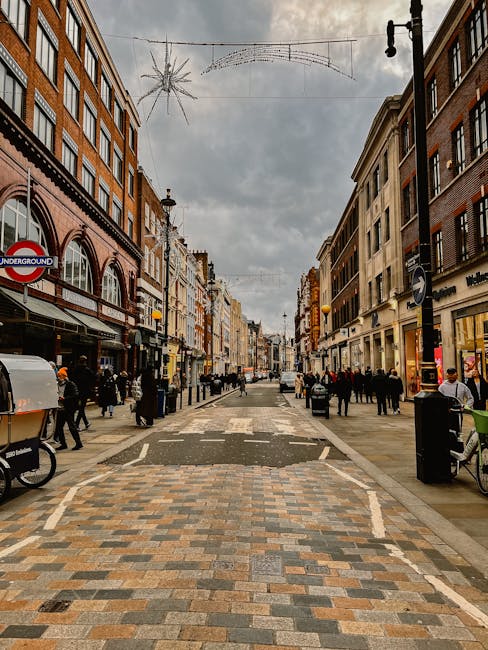
Cleaning Tips for Marylebone High Street Shops: A Practical Guide for Busy Retailers
Running a shop on Marylebone High Street means every detail is visible. The floor, the glass, the counter edge, the fitting-room mirror, even the smell when a customer walks in. A clean retail space does more than look pleasant; it supports sales, protects stock, and helps your team work with less friction. These cleaning tips for Marylebone High Street shops are designed for real day-to-day use, whether you run a boutique, a salon, a gallery, a delicatessen, or a small independent store with heavy footfall.
In a prime retail area, presentation is part of the product. Customers often decide how they feel about a shop long before they speak to anyone. That is why a sensible cleaning routine matters just as much as merchandising. This guide covers what works, what gets missed, and how to build a cleaning approach that keeps standards high without wasting time or budget. If you also manage wider premises, you may find the broader services overview useful when planning support across different rooms and surfaces.
Table of Contents
- Why This Matters
- How Shop Cleaning Works
- Benefits and Practical Advantages
- Who Needs This and When It Makes Sense
- Step-by-Step Guidance
- Expert Tips for Better Results
- Common Mistakes to Avoid
- Tools, Resources and Recommendations
- Law, Compliance, Standards, or Best Practice
- Options, Methods, or Comparison Table
- Case Study or Real-World Example
- Practical Checklist
- Conclusion
- Frequently Asked Questions
Why Cleaning Tips for Marylebone High Street Shops Matters
Marylebone High Street is not a place where clutter can hide for long. Customers notice fingerprints on glass, dusty shelf edges, and smudged doors because the pace of the street invites quick visual judgement. That is not vanity; it is retail reality. A spotless shopfront can make a small independent business feel polished, trustworthy, and worth stepping into.
There is also a practical side. Dust, debris, and spills do not just affect appearance. They can damage flooring, stain textiles, create slip risks, and shorten the life of displays and soft furnishings. In shops that sell clothing, homeware, food, cosmetics, or lifestyle products, cleanliness also influences the perceived quality of the goods themselves. If the environment feels cared for, the stock often feels more desirable.
For businesses in the area, local context matters too. Busy walking routes, changing weather, nearby cafes, and constant door traffic all add grime faster than many owners expect. If your shop is also tied to customer experience in a broader sense, reading about the character of the area in this Marylebone area guide can help you see why presentation standards here feel especially important.
Key takeaway: In a high-footfall retail location, cleaning is not a backstage task. It is part of the customer experience, brand image, and day-to-day risk control.
How Cleaning Tips for Marylebone High Street Shops Works
A good shop cleaning routine is built in layers. The first layer is daily visible cleaning: floors, counters, mirrors, handles, entrances, and anything customers touch. The second layer is scheduled deep cleaning: upholstery, carpets, skirting boards, vents, storage areas, and awkward corners that collect dust. The third layer is reactive cleaning: spill response, weather-related mess, and immediate attention after events or deliveries.
In practice, the best routine is always tied to how the shop operates. A fashion boutique with fitted carpets and changing rooms has different priorities from a small cafe-style retail space or a showroom with polished hard flooring. One shop may need more focus on fabric care and lint removal; another may need stronger entrance cleaning to deal with rain, grit, and street debris.
Many businesses also make the mistake of cleaning only when the shop looks dirty. That approach usually costs more in the long run because grime settles into materials and becomes harder to remove. A better model is preventive maintenance. For example, regular carpet cleaning in Marylebone helps preserve appearance, reduce odours, and stop high-traffic wear from becoming permanent damage.
It helps to think of cleaning as part of operations, not as a separate chore. The staff member who wipes the counter, the person who handles returns, and the team that closes the shop all contribute to the standard customers see. Consistency is the real secret, not dramatic effort.
Key Benefits and Practical Advantages
For Marylebone retailers, better cleaning habits bring a mix of visible and hidden advantages. Some are obvious; others only become clear after a few months of better routines.
- Stronger first impressions: Clean windows, tidy floors, and fresh-smelling interiors make customers more comfortable walking in.
- Better product presentation: Dust-free shelves and spotless mirrors help stock look sharper and more premium.
- Longer material life: Regular maintenance protects carpets, upholstery, flooring, and fixtures from avoidable wear.
- Reduced safety risks: Quick spill removal and routine floor care can lower slip and trip hazards.
- Improved staff morale: Teams generally work better in organised, clean surroundings. No surprise there.
- Lower deep-cleaning pressure: When cleaning is done continuously, heavy restoration jobs become less frequent.
There is also a commercial benefit that is easy to underestimate: customers often stay longer in well-kept spaces. If a shop feels calm, fresh, and orderly, people browse more naturally. That extra minute or two can matter, especially in smaller retail environments where every visit counts.
For businesses comparing support options, it may also help to look at office cleaning in Marylebone as a useful reference point. Retail and office needs are not identical, but the principles of consistency, hygiene, and presentation overlap more than many owners realise.
Who This Is For and When It Makes Sense
This guide is for independent shop owners, managers, supervisors, and staff who want a more reliable cleaning standard without turning the workday upside down. It is especially relevant if your shop has a visible frontage, regular customer traffic, delicate surfaces, or a mix of hard and soft materials.
It makes sense to take a more structured approach if any of the following sound familiar:
- Your entrance collects mud, dust, or rainwater quickly.
- Customers regularly touch the same displays, rails, or countertops.
- Your shop has carpet, rugs, fabric seating, or upholstered fittings.
- You notice that windows and mirrors look fine at opening time but dull by midday.
- Staff are cleaning reactively instead of following a routine.
- You want the space to match a more premium brand image.
Not every business needs the same level of support. A small gift shop may get by with daily light cleaning and a weekly deeper reset. A busy retail store, however, may benefit from a planned combination of in-house upkeep and professional help. If you are weighing that decision, the pricing and quotes page can be a useful starting point for understanding what different service scopes may involve.
Step-by-Step Guidance
If you want a cleaning routine that actually holds up during a busy trading week, use a simple structure. It does not need to be complicated. In fact, simple usually lasts longer.
1. Start with the entrance
The entrance is where the customer forms an immediate opinion. Clean the glass, door handles, thresholds, mats, and any visible frame edges. Remove grit before it gets tracked inside. In wet weather, check the entrance more than once a day. A tidy entrance feels welcoming; a damp one feels neglected.
2. Move to the highest-touch areas
Countertops, payment terminals, door handles, basket handles, rail tops, and display edges need frequent attention. These spots build up fingerprints and oils quickly. Use products suitable for the surface, and avoid oversaturating anything electrical or sensitive.
3. Deal with floors by material type
Hard floors should be swept or vacuumed before mopping so you do not spread grit around. Carpets and runners should be vacuumed with enough frequency to remove embedded debris, not just surface dust. If you have fabric-heavy interiors, upholstery cleaning in Marylebone can help keep seating and display areas looking fresh rather than tired.
4. Clean from top to bottom
Dust falls. That is the annoying truth. So clean higher surfaces first: shelves, light fixtures, tops of frames, and decorative ledges. Then move down to mid-level displays, then floors. This avoids redoing work and keeps the space looking genuinely polished, not half-finished.
5. Include storage and back-of-house areas
Customers may not see your stock room, but the state of that space affects the whole operation. A messy storage area slows staff down, increases the chance of damaged stock, and makes replenishment harder. Clean shelving, remove cardboard waste, and keep cleaning supplies organised and separate from merchandise.
6. Build in spill response
Spills happen. Coffee splashes, packaging leaks, wet umbrellas, and muddy shoes are part of retail life. The best shops respond immediately with a simple process: contain the area, alert staff, clean safely, dry thoroughly, and check for residue. That small routine saves a great deal of trouble later.
7. Schedule deeper care
Some tasks should not be left to chance. Carpets, rugs, fabric chairs, skirting boards, and less-visible corners need periodic deep cleaning. If you want a broader operational framework, house-style cleaning support and domestic cleaning services can help illustrate how thorough routines are built around repeatable standards, even though a shop has different priorities.
Expert Tips for Better Results
A few small refinements can make a big difference to how clean a shop feels. These are the details experienced teams tend to rely on.
- Use two cleaning rhythms: one for opening and closing, one for in-shift maintenance. That keeps standards steady without overloading staff.
- Match products to surfaces: glass, laminate, wood, stone, metal, and fabric each need different care. A one-product-fits-all approach usually disappoints.
- Protect the first five metres: The entrance zone takes the worst foot traffic. Prioritise mats, threshold edges, and flooring just inside the door.
- Refresh the air, not just the surfaces: A clean shop should smell neutral and fresh, not heavily scented. Overdone fragrance can be as off-putting as stale air.
- Spot-clean during quiet moments: A quick glass wipe or shelf reset between customers often makes more difference than a rushed end-of-day scrub.
- Inspect under the lighting you actually use: Bright retail lighting reveals dust, streaks, and residue that can be missed in softer light.
One practical habit that works well in boutique environments is the "one-minute scan." Before opening, walk the store slowly and look at the entrance, mirrors, floors, counters, and any featured display. If anything catches your eye in that short walk, a customer will probably notice it too.
It is also worth keeping a simple relationship with your cleaning provider. If you use one, make sure they understand customer flow, opening hours, and the surfaces that are most visible. A good provider is not just there to clean; they are there to protect your presentation. You can learn more about the company background on the about us page and review service boundaries in the health and safety policy.
Common Mistakes to Avoid
Many shop cleaning problems come from habits that seem harmless at first. The good news is that most of them are easy to fix once spotted.
Leaving entrances until the end of the day
The entrance is the most visible area and often the dirtiest. If you leave it until closing time, customers spend the whole day seeing it at its worst.
Using too much product
More cleaner does not mean more clean. Excess product can leave residue, dull shine, or damage certain surfaces. Follow instructions and use the minimum effective amount.
Ignoring touchpoints
Shiny floors do not help much if the door handle is greasy. High-touch areas carry more visual and hygiene weight than people expect.
Forgetting the hidden edges
Dust collects on skirting, shelf backs, under fixtures, and around bases. Customers might not inspect those areas closely, but they contribute to the overall impression of care.
Cleaning only when the shop is empty
That sounds efficient, but it can become reactive and inconsistent. Small maintenance tasks during the day often prevent bigger jobs later.
Mixing cleaning with clutter control
Cleaning and tidying are related but not identical. A shop can be spotless and still feel chaotic if stock, packaging, and tools are left in the wrong places.
Also, do not let the back-of-house space become a blind spot. A cluttered stock area tends to create cleaning shortcuts elsewhere. If you manage mixed-use premises or are planning a wider refresh, the office cleaning and end of tenancy cleaning pages can give a sense of how detailed cleaning expectations change by space type and turnover.
Tools, Resources and Recommendations
You do not need a warehouse full of equipment to maintain a clean retail space. You do need the right core tools, kept in good condition and used consistently.
| Tool or Resource | Best Use | Why It Helps |
|---|---|---|
| Microfibre cloths | Glass, counters, fixtures | Pick up dust and fingerprints without excessive residue |
| Quality vacuum cleaner | Carpets, mats, soft seating | Removes grit before it embeds and wears fibres down |
| Appropriate floor cleaner | Hard floors | Keeps finishes intact and avoids dull build-up |
| Entrance mats | Doorway and threshold | Reduce dirt spread through the shop |
| Labelled spill kit | Fast response to accidents | Speeds up safe, consistent spill handling |
| Cleaning log | Daily routines and checks | Helps teams stay accountable and spot recurring issues |
For shops with carpets, runners, or fabric finishes, specialist support is often worth considering before visible wear becomes difficult to reverse. The service page for Marylebone carpet cleaning is particularly relevant if your floor coverings are part of the customer experience. If your shop has seating areas, waiting corners, or upholstered display features, upholstery care should sit alongside floor maintenance rather than being treated as an afterthought.
It is also sensible to check practical service details before booking anyone into a live retail environment. The insurance and safety page and payment and security information can help you make a more confident decision. And if you want to see how other customers view the service, the reviews page is a useful place to start.
Law, Compliance, Standards, or Best Practice
Retail cleaning is not usually about complicated legal processes, but it does sit within ordinary UK workplace expectations around safety, cleanliness, and risk management. You should make sure cleaning methods do not create hazards, especially where wet floors, electrical equipment, food products, or public access are involved.
In practice, that means using sensible controls: display warning signs when floors are wet, store chemicals safely, keep walkways clear, and train staff not to improvise with unsuitable products. If cleaning takes place before or after opening, the team should know who is responsible for what and how to escalate a problem. A basic written routine is often enough. It does not need to be dramatic; it just needs to exist.
Best practice also includes respecting accessibility needs. A clutter-free floor plan, clear entryways, and unobstructed routes are good for everyone, but they are especially important for customers with mobility aids, pushchairs, or visual impairment. If you want to understand more about a service provider's public commitments, the accessibility statement and modern slavery statement pages show the sort of transparency reputable businesses maintain. For contract terms, always review the terms and conditions before agreeing a service.
If you are unsure about a specific material or chemical, ask first. That is better than discovering too late that a surface has been dulled, stained, or stripped. Truth be told, a cautious question is cheaper than a replacement.
Options, Methods, or Comparison Table
Different shops need different cleaning approaches. The right choice depends on visibility, customer volume, flooring, and how much time staff can realistically spare.
| Approach | Best For | Strengths | Limitations |
|---|---|---|---|
| In-house daily cleaning | Small shops with simple layouts | Fast response, low complexity, staff know the space | Can become inconsistent if teams are busy |
| Mixed in-house and professional support | Busy retail units with carpets or soft furnishings | Balances day-to-day upkeep with deeper cleaning | Needs good coordination |
| Scheduled specialist cleaning only | Spaces with limited day-to-day activity | Useful for deep restoration and periodic maintenance | Not enough on its own for daily presentation |
A sensible compromise for many Marylebone High Street shops is a hybrid model. Staff handle light daily care, while specialist help is used for carpets, upholstery, deep cleans, or any problem area that keeps returning. That approach protects standards without distracting the team from customers.
Case Study or Real-World Example
Consider a small independent fashion shop on a busy stretch of the High Street. The owner noticed that the boutique looked clean at opening but tired by mid-afternoon. The main issues were simple: wet marks near the entrance after rain, fingerprints on mirrors, dust on black shelving, and a carpeted fitting area that started to look flat and dull.
Instead of doing one big weekly clean, the team introduced a three-part routine:
- the entrance and mirrors were wiped before opening;
- one staff member did a mid-day touchpoint check;
- the fitting area and carpet were added to a monthly professional maintenance plan.
Nothing fancy. Just structure.
Within a few weeks, the shop felt more cohesive to customers and easier for staff to manage. The biggest change was not dramatic sparkle; it was consistency. People do not always comment on a well-kept shop, but they absolutely notice when a place feels tired or uncontained. That is the silent advantage of a good cleaning routine.
If your own business needs support beyond light upkeep, look at the wider service options and the relevant specialist pages before deciding what to outsource. A single well-matched service can save a great deal of staff time.
Practical Checklist
Use this checklist as a quick daily or weekly reference for shop cleaning standards.
- Entrance glass, handles, and thresholds cleaned
- Floor at the doorway free from grit, mud, and moisture
- Countertops and card machine area wiped
- High-touch points sanitised or cleaned appropriately
- Mirrors and display glass streak-free
- Floors vacuumed or swept before mopping
- Carpets and rugs checked for spots or debris
- Upholstery and seating inspected for marks
- Shelving edges, skirting, and corners dust-free
- Stock room and packaging waste under control
- Bins emptied and liners replaced
- Cleaning supplies stored safely and clearly labelled
- Any spill, stain, or damage reported quickly
If you keep only one document, keep a short cleaning log. It gives structure, helps with handovers, and stops "I thought someone else did it" from becoming a regular strategy.
Conclusion
Good shop cleaning on Marylebone High Street is not about chasing perfection. It is about creating a reliable standard that customers can feel the moment they walk in. Clean entrances, tidy displays, fresh floors, and well-maintained soft furnishings all contribute to a stronger retail experience. The best systems are simple, repeatable, and matched to the realities of a busy shop.
If you build cleaning into daily operations, rather than treating it as a last-minute fix, you protect your brand, reduce avoidable wear, and make the space more inviting for everyone who enters. That is good business, not just good housekeeping.
For additional support, service details, and practical next steps, explore the relevant pages on the site and choose the level of help that fits your shop's layout and footfall. If you want a clearer starting point, the team pages and service information are there to help you compare options calmly and confidently.
Get a free quote today and see how much you can save.
Frequently Asked Questions
How often should a Marylebone High Street shop be cleaned?
Most shops benefit from daily light cleaning, with deeper tasks scheduled weekly or monthly depending on footfall, flooring, and the type of merchandise. Busy entrances and high-touch areas often need attention several times a day.
What are the most important areas to clean first in a shop?
Start with the entrance, glass, handles, payment points, and any customer-facing display surfaces. These areas shape first impressions and tend to collect dirt fastest.
Do retail shops need professional carpet cleaning?
If your shop has carpets, runners, or fitted fabric areas, professional carpet cleaning is usually worth considering. It helps preserve appearance, remove embedded dirt, and reduce the worn look that daily vacuuming cannot fully fix.
What cleaning products are safest for retail environments?
The safest products are the ones matched to the surface and used exactly as directed. Avoid harsh all-purpose shortcuts on delicate finishes, and always keep chemicals separate from stock and packaging.
How do I stop floors from looking dirty so quickly?
Use entrance mats, clean the doorway area often, and remove grit before mopping. Wet weather and constant foot traffic are usually the main reasons floors lose their fresh look quickly.
Should staff handle all cleaning, or should I hire a specialist?
Many shops use a mixed approach. Staff handle daily upkeep, while specialists manage carpets, upholstery, and deep cleaning. That is often the most practical balance for busy retail spaces.
Is upholstery cleaning relevant for shops?
Yes, especially if you have seating, waiting areas, display benches, or fabric-based fixtures. Upholstery can hold dust and marks that make the whole space feel less polished.
How can I tell if my shop needs a deep clean rather than routine maintenance?
If the space still looks dull after normal cleaning, if odours linger, or if carpets and fabrics look flattened or marked, a deeper clean is probably due. Deep cleaning is also useful before launches, seasonal changes, or inspections.
What should be in a shop cleaning checklist?
A useful checklist should cover entrances, counters, floors, mirrors, touchpoints, waste bins, back-of-house areas, and any carpets or upholstery. It should be simple enough that staff actually use it.
Are there health and safety issues with shop cleaning?
Yes. Wet floors, chemical storage, electrical equipment, and blocked walkways can all create avoidable risks. Staff should know how to clean safely and how to warn others when surfaces are slippery.
How much does professional shop cleaning cost?
Costs vary based on the size of the premises, the materials involved, and how often service is needed. For a more accurate idea, it is best to request a tailored quote rather than rely on general estimates.
Can cleaning help a shop feel more premium without changing the decor?
Absolutely. Clean glass, crisp edges, dust-free shelves, and fresh floors can make a space feel noticeably more upscale, even if the layout stays the same. Presentation has a bigger effect than many owners expect.
Where can I learn more about the cleaning services available locally?
You can start with the main services overview, then review the specific pages for carpets, upholstery, and office support to see what best fits your shop.
How do I choose a trustworthy cleaning provider?
Look for clear service information, sensible safety guidance, transparent terms, and evidence of customer feedback. It also helps if the provider offers clear reviews and straightforward quote information.